
Ratatouille
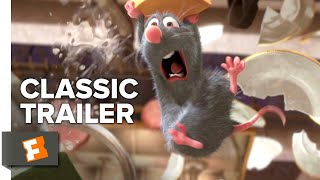
Ratatouille (2007) is an animated comedy about Remy, a rat with an extraordinary palate who secretly collaborates with a clumsy kitchen boy to create culinary masterpieces in a Parisian restaurant. Its clear American English, moderate pace, and well-articulated dialogue make it ideal for English learners, while repeated cooking and restaurant vocabulary reinforces common B1-level words. The film contains 575 vocabulary entries, with the dominant CEFR level being B1 (252 words, 44%), followed by A2 (110 words, 19%) and B2 (169 words, 29%). Despite a small number of C1 (7%) and C2 (0%) terms, the overall difficulty is A2, meaning beginners can understand most of the language. On SaveWordly, you can save any word from Ratatouille to your personal list, review it with spaced-repetition flashcards, and practice speaking dialogues with an AI tutor who role‑plays as Remy or Linguini. This turns passive watching into an active, immersive learning session. It is best suited for beginner to intermediate learners (A2–B1) who want to build practical food and restaurant vocabulary while improving listening comprehension.
How SaveWordly Works
Browse the vocabulary list and save words you don't know to your personal list.
Learn the words before watching — so nothing interrupts you while enjoying the show.
After watching, practice speaking about what you saw with our AI conversation tutor.
Why "Ratatouille" for English learning — in English
If you are looking for a film that combines engaging storytelling with practical English, "Ratatouille" (2007) is an excellent choice. This animated comedy follows Remy, a rat with a passion for cooking, as he navigates the kitchens of Paris. The dialogue is rich, natural, and full of everyday conversations, making it ideal for learners who want to hear how English is really spoken. The movie covers themes like ambition, teamwork, and belonging, which are easy to relate to and discuss. Because the characters come from different backgrounds, you will hear a variety of speech patterns and accents – from American English to slightly formal French-influenced English. This variety trains your ear for real-world listening. Plus, the cultural context of French cuisine and restaurant life gives you memorable vocabulary that sticks. Whether you are a beginner or intermediate learner, "Ratatouille" offers a fun, low-pressure way to absorb English in context.
"Ratatouille" Vocabulary Level — in English
One of the most useful aspects of "Ratatouille" for English learners is its carefully distributed vocabulary. According to our analysis, the movie contains 575 total vocabulary entries. The dominant CEFR level is B1, which represents intermediate learners who can handle everyday situations and simple discussions. Here is the full breakdown:
A2 – 110 words (19%) – Basic, high‑frequency words like "food," "good," or "help."
B1 – 252 words (44%) – The largest group, covering common expressions, cooking terms, and simple opinions.
B2 – 169 words (29%) – More nuanced vocabulary, such as "sabotage," "critic," or "passion."
C1 – 42 words (7%) – Advanced words like "extraordinary" or "reputation."
C2 – 2 words (0%) – Rare, highly specialised terms.
What does this mean for you? Over 60% of the vocabulary is at A2 and B1 levels – words you already know or can easily learn. The B2 words push you slightly above your comfort zone, while the few C1/C2 items add flavour without overwhelming you. This balance means you can enjoy the movie without constantly reaching for a dictionary, yet you will still encounter new, useful language. In short, "Ratatouille" is deliberately pitched at an intermediate level, making it perfect for learners who have mastered the basics and want to move toward fluency.
English Style in "Ratatouille" — in English
The English used in "Ratatouille" is a mix of modern American English and a touch of formal register when characters speak about food or art. Here is what you can expect:
Accent: Most characters speak with a neutral American accent (Remy, his brother Emile, and Linguini). The food critic Anton Ego uses a slightly more refined, deliberate tone. You will also hear a few characters with a French‑accented English (Skinner, Colette), which is great for training your ear to different pronunciations.
Register: The dialogue swings between informal banter among rats and more formal exchanges in the kitchen. You will hear slang like "dude," "awesome," and "yuck," alongside polite requests and criticism. This range helps you understand both casual and professional English.
Phrasal verbs and idioms: The script is rich in everyday phrasal verbs such as "figure out," "come up with," "get along," and "show up." Idioms like "anyone can cook" (a core theme) and "the world is your oyster" appear naturally. These are essential for sounding fluent.
Pace: The movie has a moderate speaking speed, with occasional fast exchanges (especially in arguments). The clear enunciation and emotional cues make it easy to follow. Because it is an animated comedy, pauses and humour give you time to process language.
By watching "Ratatouille", you absorb a realistic, practical English style that you can immediately use in conversations about cooking, work, friendship, and dreams.
SaveWordly + "Ratatouille" — in English
To get the most out of "Ratatouille" for English learning, use SaveWordly as your companion tool. Here is a simple three‑step method:
1. Save words before watching: Open SaveWordly and search for "Ratatouille" vocabulary lists. Preview the 575 entries, especially the B2 and C1 words. Mark the ones you want to learn – for example, "sabotage," "extraordinary," or "gourmet." This pre‑study primes your brain to notice them in context.
2. Flashcard study while watching: As you watch the movie, pause when you hear a saved word. Use SaveWordly's flashcard feature to see the definition, example sentence from the film, and audio pronunciation. Review these cards during breaks – spaced repetition ensures you remember them long‑term.
3. AI speaking practice after each episode: After finishing a scene (or the whole movie), use SaveWordly's AI speaking mode. You can answer questions about the plot, describe a character, or explain a recipe. For instance, the AI might ask: "Why does Remy want to cook in a human kitchen?" You reply using the new vocabulary. The AI corrects pronunciation and gives feedback. This turns passive watching into active language production.
SaveWordly is designed to fit seamlessly into your study routine – no lengthy setup, just immediate practice. It is the perfect partner for "Ratatouille" because both focus on intermediate, everyday English that you can start using today.
What Level After Finishing "Ratatouille"? — in English
Based on the CEFR data, if you study "Ratatouille" thoroughly with SaveWordly, here is a concrete outcome: you will solidify your B1 level and gain strong access to B2 vocabulary. The 252 B1 words (44% of total) will become automatic. The 169 B2 words (29%) – words like "culinary," "dedication," and "masterpiece" – will move from passive recognition to active use. You will also be comfortable with the 110 A2 words (19%) as review. By mastering the vocabulary in this film, your listening comprehension for intermediate English will improve noticeably. You will be able to understand most conversations about food, work, and relationships. Your speaking will become more natural because you will have internalised real phrasal verbs and idioms. In practical terms, after finishing "Ratatouille", you can expect to move from a shaky intermediate to a confident intermediate – ready to tackle B2‑level material like news articles or workplace dialogues. And because the film is so memorable, the language will stick with you for years. So grab your popcorn, open SaveWordly, and let "Ratatouille" cook up your English skills.
Top Words